
The Same Engine, Pointed at a Different Problem
An eldercare fall-alert system and a livestock-monitoring idea sound unrelated. At 2057 Holdings, they're the same argument for why we build reusable engines instead of single-purpose products.

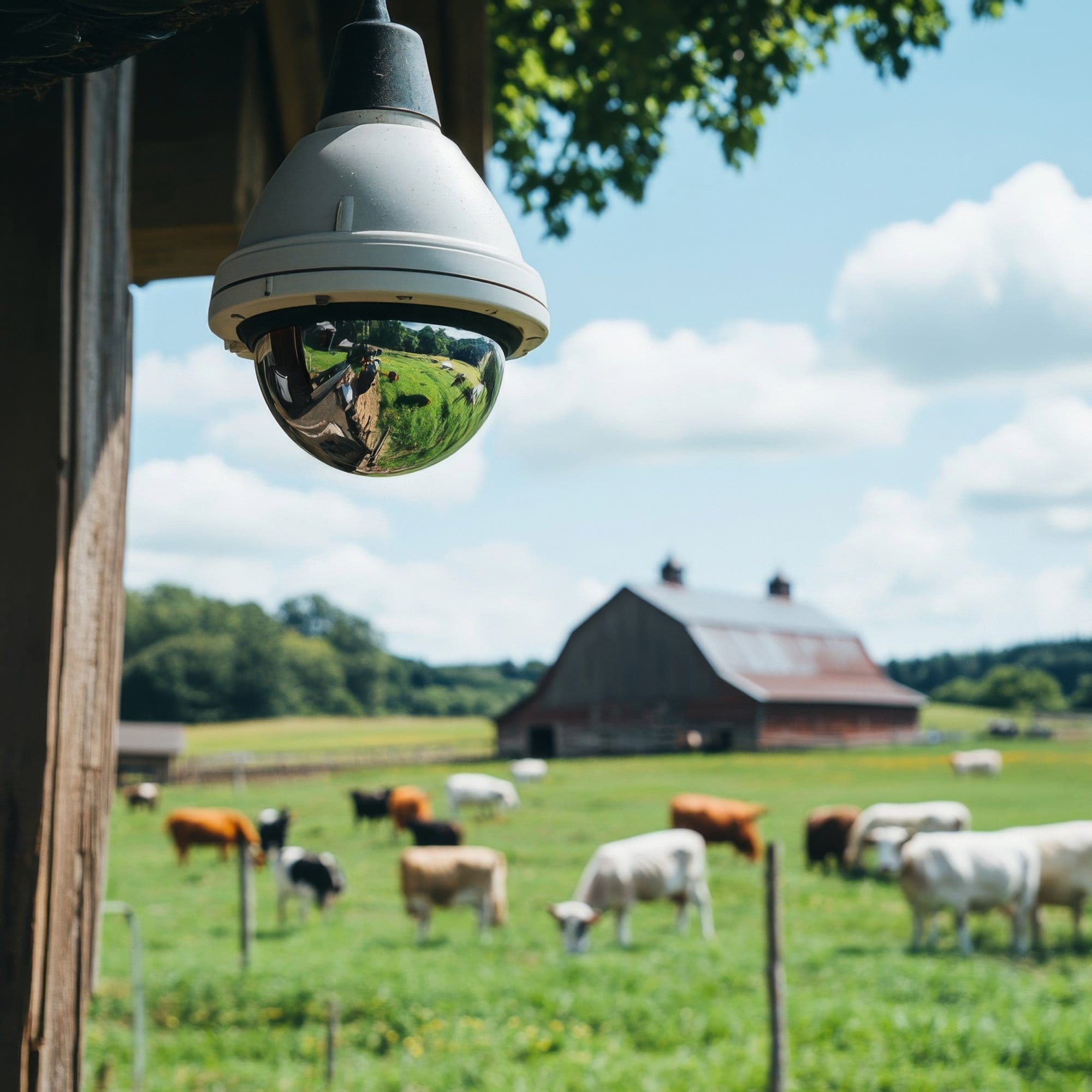
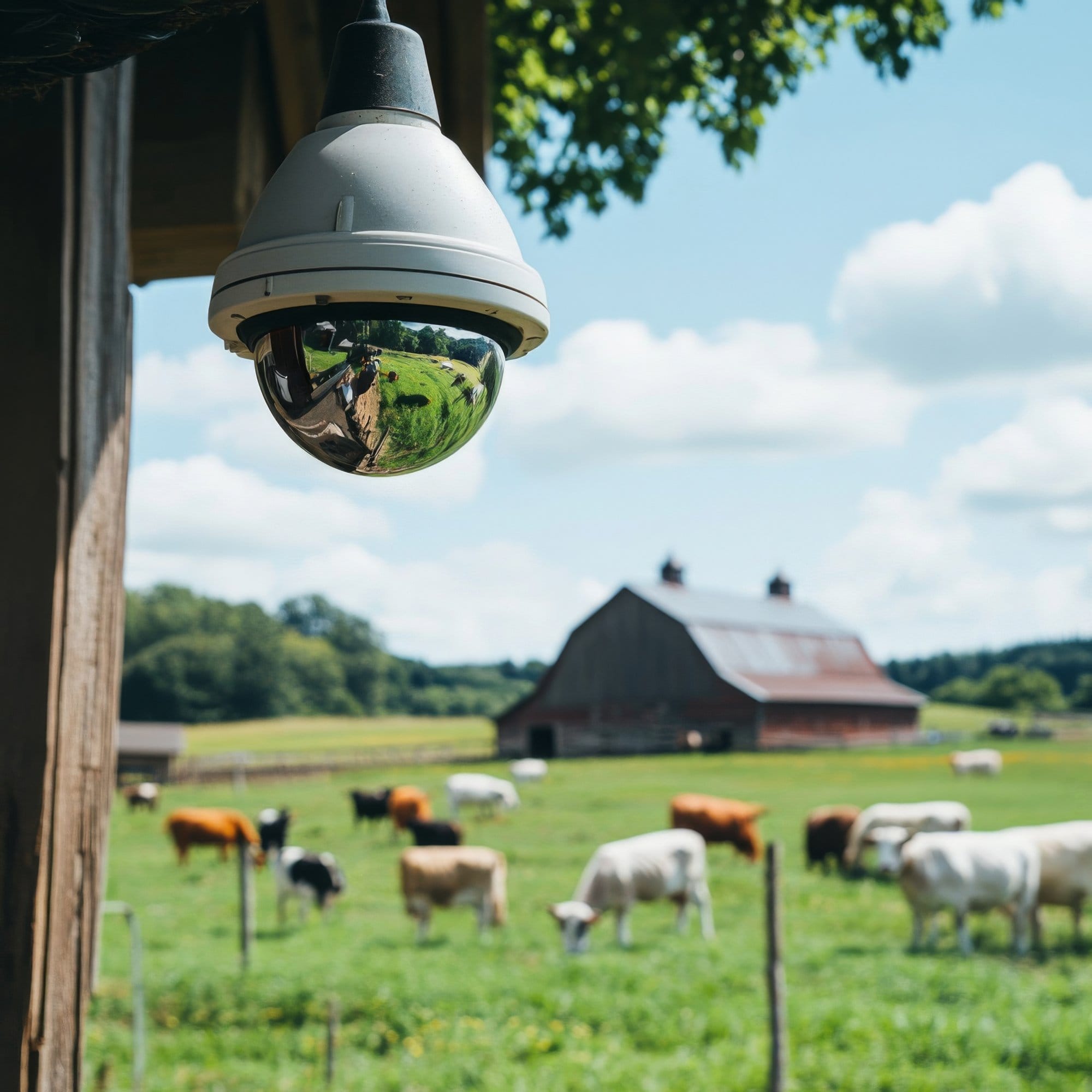
Noevant, one of our portfolio companies, is building Succura: an edge-AI box that watches for a fall in an elderly parent's home and escalates through a contact tree until someone responds. Our team recently published a thought experiment asking whether the same underlying architecture — not the same product, the same architecture — could be repointed at a completely different problem: telling a rancher that a specific animal in his herd hasn't been seen by any camera in a few days.
We think that question, more than the specific answer, is a good window into how we try to build across the whole portfolio.
We separate the engine from the product on purpose
Succura's escalation logic — detect an event, work a contact tree, escalate until acknowledged — doesn't know or care what the triggering event actually is. That's deliberate. Noevant's structure exists so the intelligence underneath a product isn't welded to the first thing it was built for. Invictus licenses that engine today for eldercare fall alerting. Nothing about the architecture requires it to stop there.
The honest caveat, because we don't like overselling internal thinking as a roadmap: identifying an individual cow reliably from camera footage is a real, published, and genuinely harder computer vision problem than detecting a fall. Our team was specific about that in the technical writeup — breed-dependent modeling, open-pasture coverage limits, different alert thresholds. This isn't a committed product. It's a test of whether an idea holds up once you check it against real research instead of just liking how it sounds.
Why we run the portfolio this way
This is the same instinct that shows up in a much more grounded form in a different portfolio company's recent work: Safire Home Solutions networked a 180-acre rural property by finding the one piece of existing infrastructure — power already run to a few outbuildings — and making it do three jobs (Wi-Fi, security cameras, gate access) instead of one. Different scale, different stakes, same question: what else can this thing already do, before you go build something new.
Across every company we run, the cheapest and most durable capability usually isn't a new product. It's noticing that something you already built or already have access to is more general than the first use case you built it for.
2057 Holdings is an Edmond, Oklahoma-based holding company operating a portfolio of companies across technology, education, and professional services, including Noevant.
The full technical thought experiment is on the Noevant blog: Same Box, Different Question: What Succura's Architecture Could Do for a Cattle Herd
Jesse Myers connects this to a recent rural networking project: From a Rural Gate to a Missing Cow: Two Sides of the Same Infrastructure Question